
Category: Blog
Your blog category
-
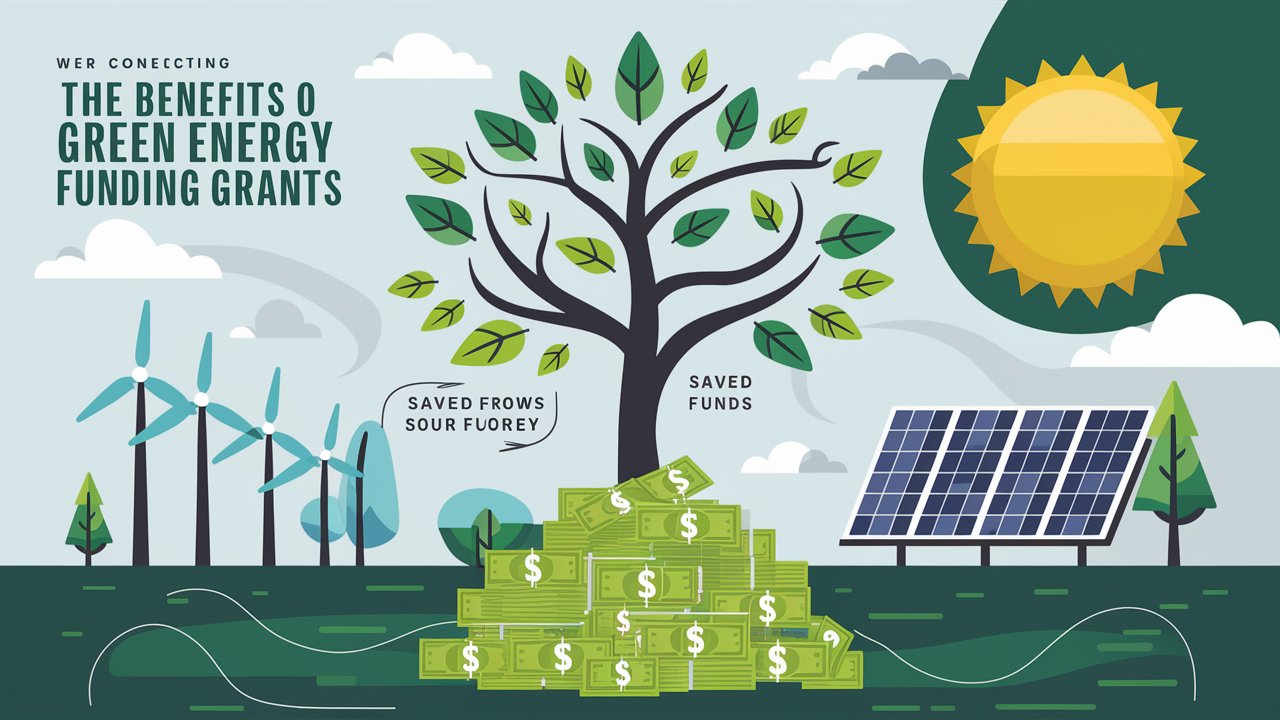
Green energy funding grants
Introduction Green energy funding grants are crucial for helping to create and run green energy projects. These funds go to projects that aim to reduce carbon emissions, support green energy methods, and make energy use more efficient. People, companies, and organizations can get the money they need to make their eco-friendly projects happen by learning
-
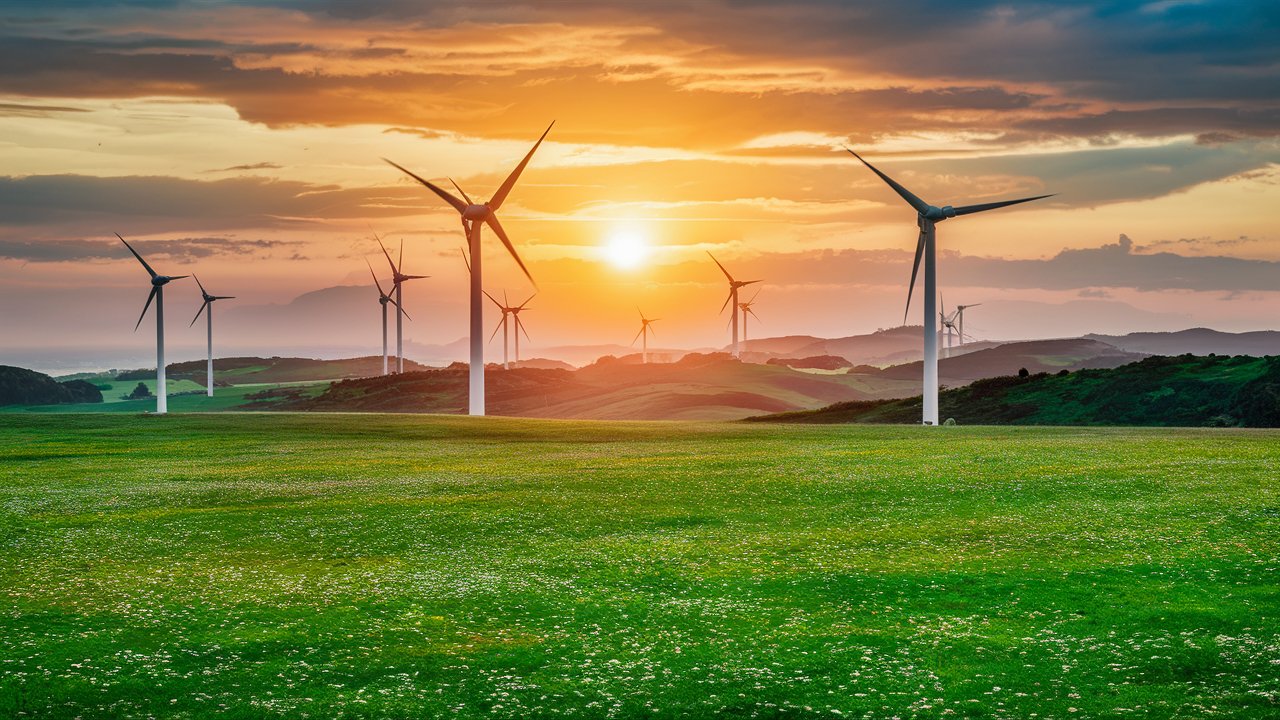
10 Limitations of Wind Energy
Introduction Wind power is now an important part of all renewable energy options worldwide. By using turbines to turn the wind’s kinetic energy into power, this clean energy source has made us much less dependent on fossil fuels. But wind energy has its problems, just like any other energy source. Here are the top 10
-
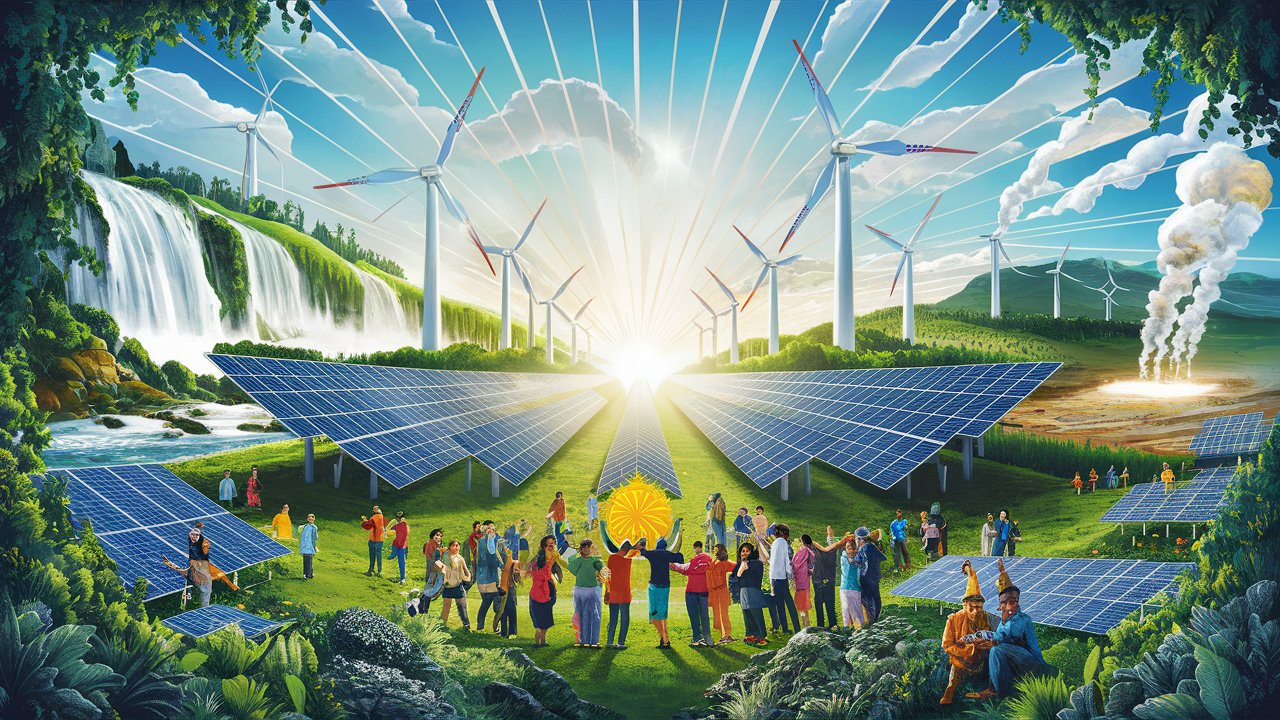
10 Challenges of Offshore Wind Farms
Offshore wind farms have emerged as a critical component of the global transition to renewable energy. While their benefits in reducing carbon emissions and contributing to energy independence are well-documented, offshore wind farms face numerous challenges that must be addressed to ensure their viability and sustainability. This article explores the 10 Challenges of Offshore Wind
-
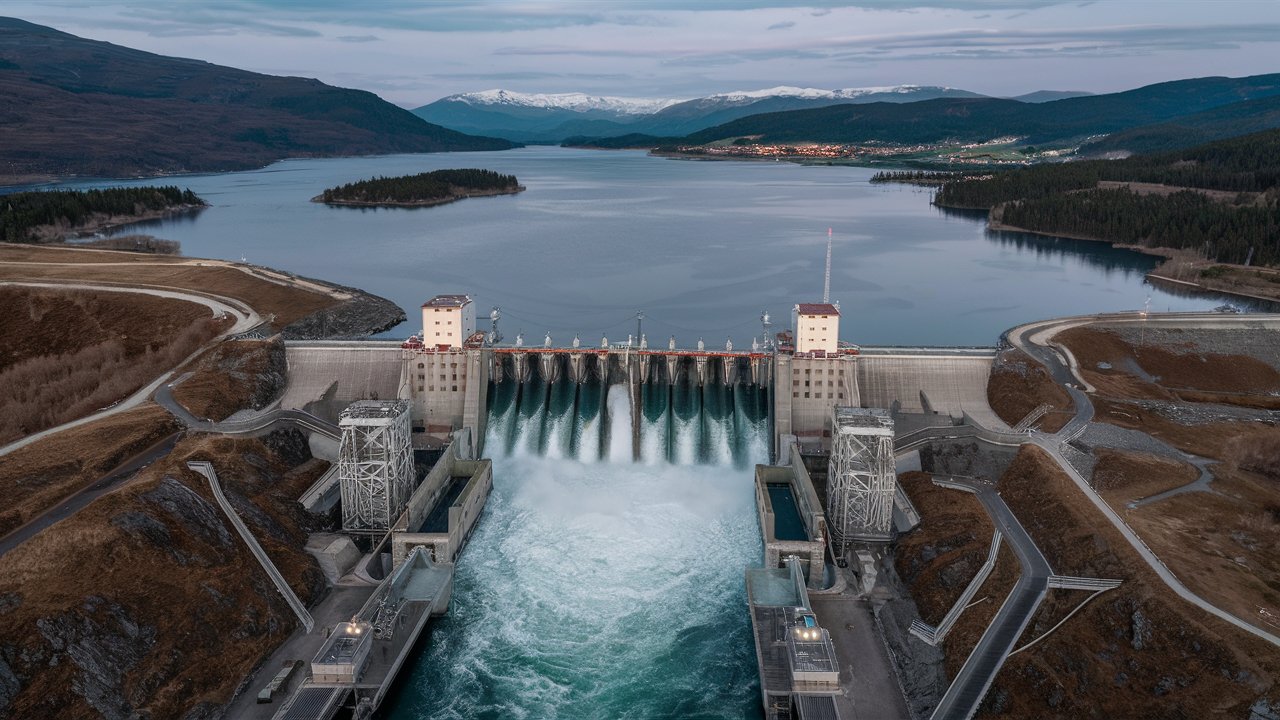
Advantages and disadvantages of hydropower plant
Hydropower plants are significant sources of renewable energy that harness the power of flowing or falling water to generate electricity. This article examines the Advantages and disadvantages of hydropower plants associated with hydropower generation. Advantages of Hydropower Plants 1. Renewable Energy Source Hydropower is renewable because it relies on the natural water cycle, which is
-
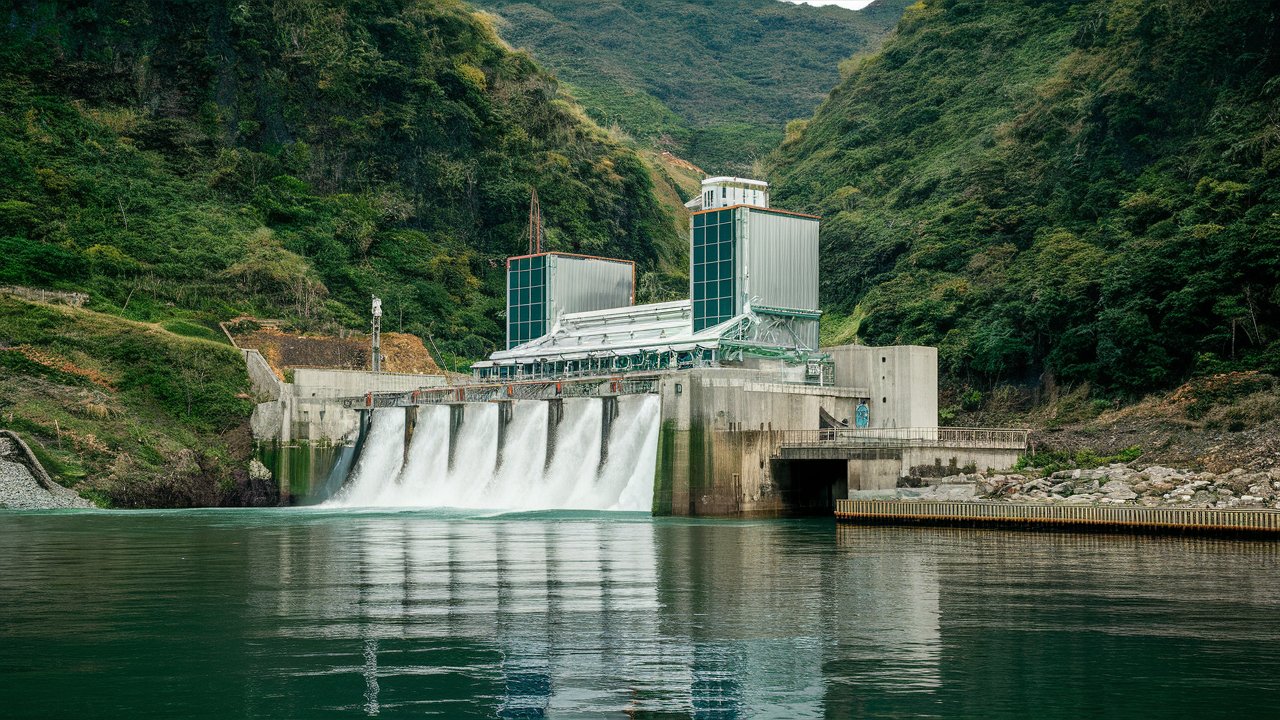
How hydroelectricity is distributed
Hydroelectricity is a clean and renewable energy source that comes from water motion. Homes, businesses, and industries efficiently distribute it to meet their electricity needs. This article discusses the How is hydroelectricity is being distributed from its producers to its consumers. Generation of Hydroelectricity 1. Turbines and Generators Propellers powered by the force of moving
-
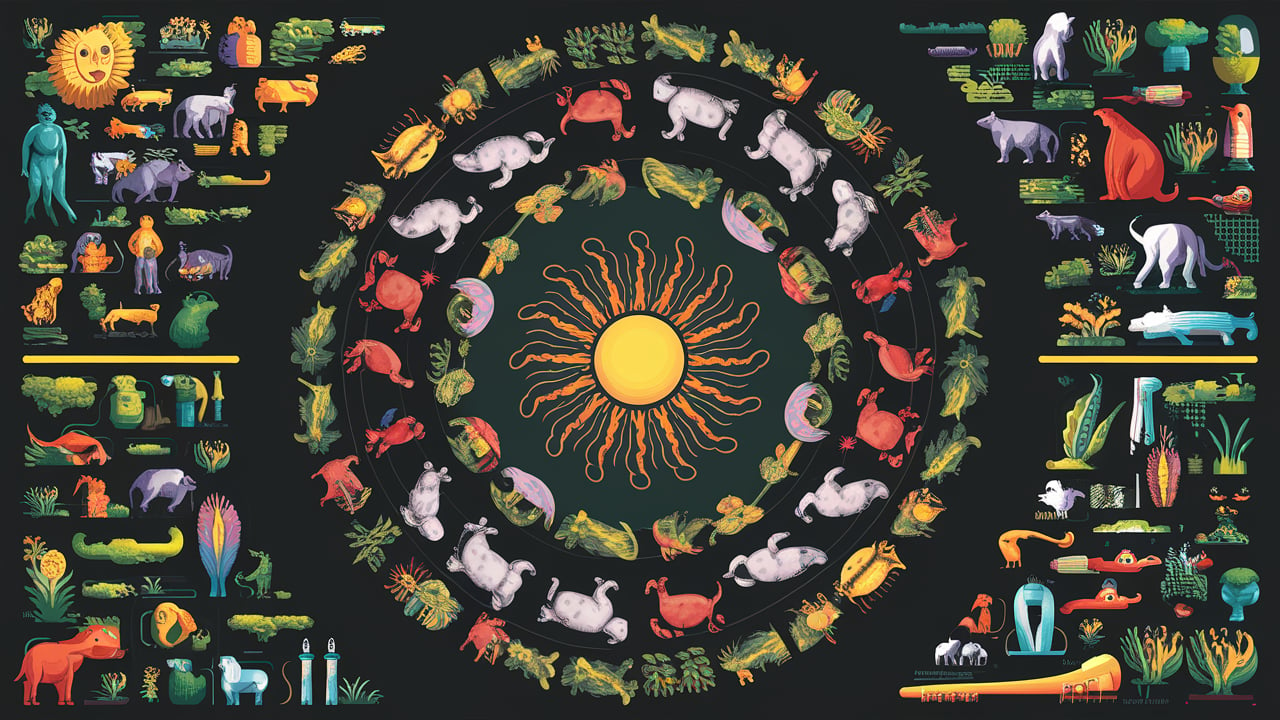
Understanding the Biomass Cycle
Biomass is organic material produced by plants and animals. You can use it as a source of energy. The biomass cycle is Burning by-products from forestry, plants, animal waste, and even sewage and landfill waste that can serve as fuel or generate electricity. Power plants commonly burn biomass fuel pellets to produce electricity. 1. Production
-
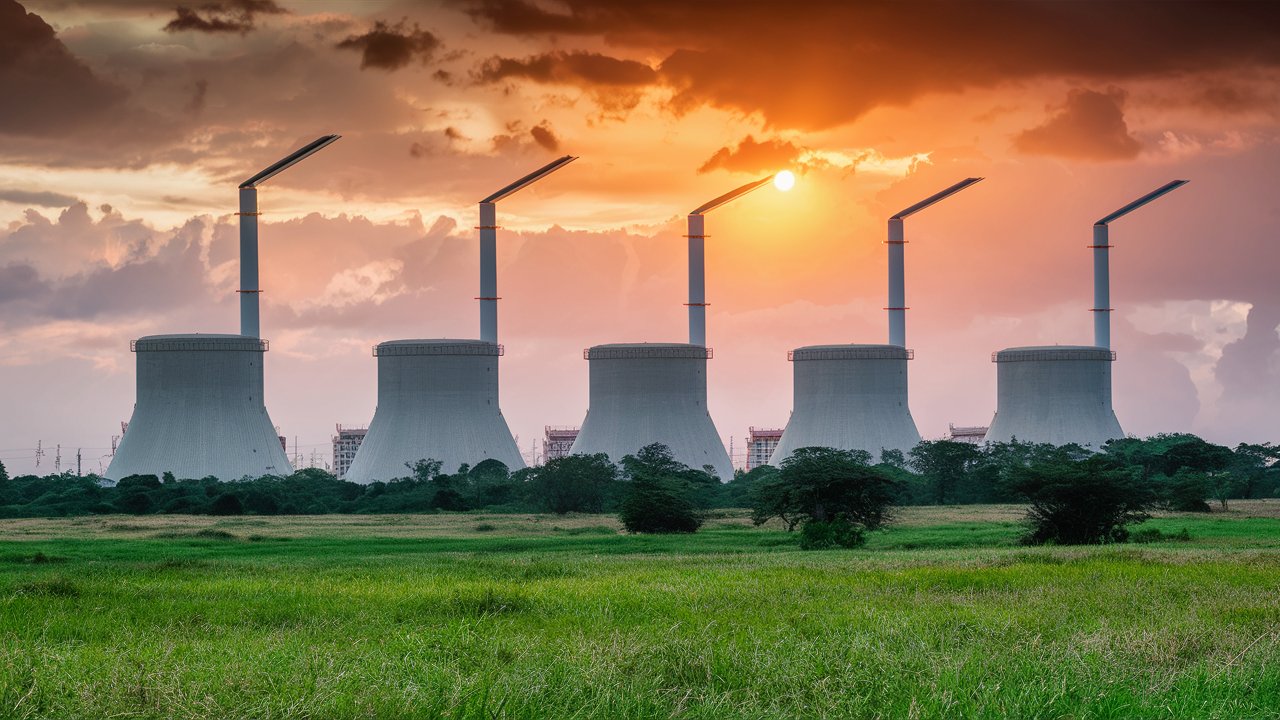
Biomass power plant in Nigeria
In Nigeria, biomass power plants use organic materials such as agricultural residues, wood, and organic waste to generate electricity, which the plants play a crucial role in diversifying Nigeria’s energy mix and promoting renewable energy sources. Nigeria is having a difficult time getting enough energy, but biomass power plants look like a viable way to