
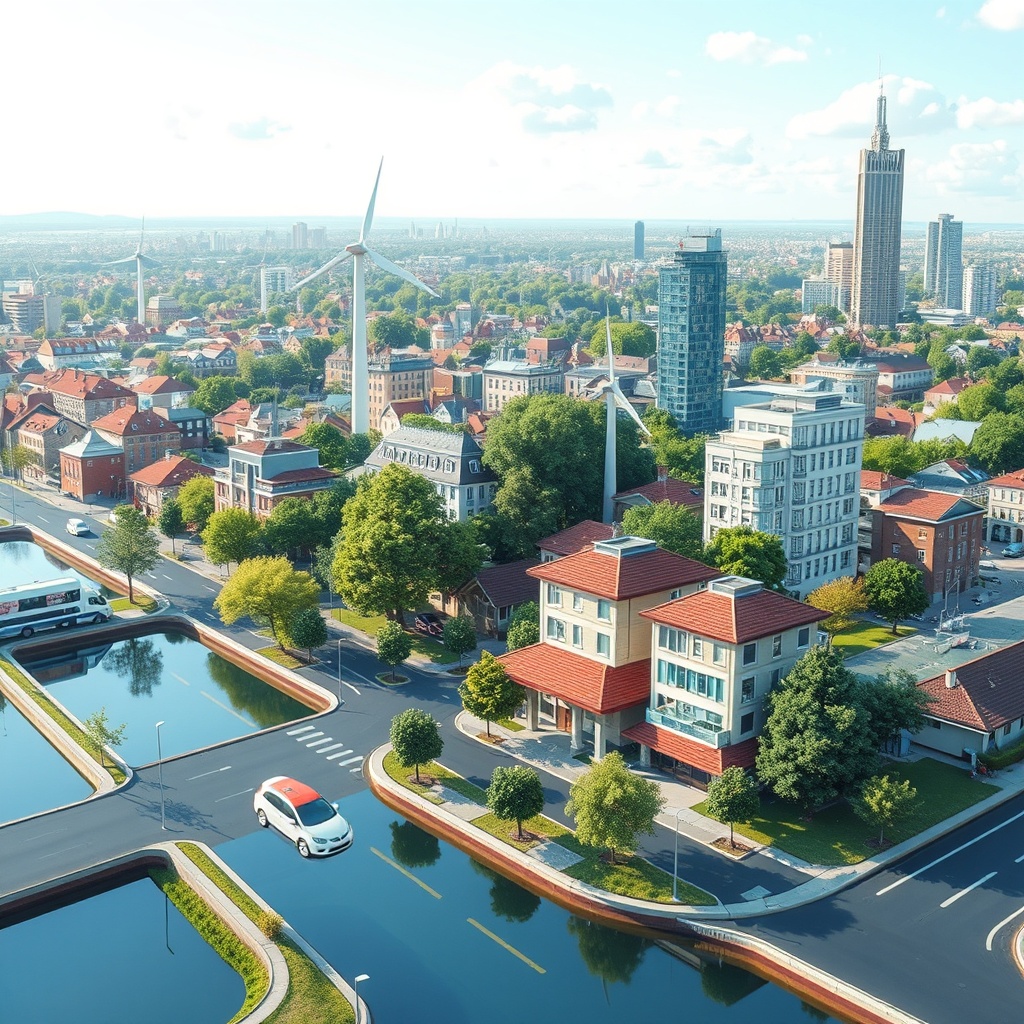
Integration of renewable energy into smart cities marks a transformative step toward truly sustainable urban living. As cities around the world work to reduce their carbon footprint, renewable sources such as solar, wind, and hydropower are becoming foundational to modern urban planning.
These clean energy systems are increasingly being embedded into smart city infrastructures through technologies like intelligent grids, energy-efficient buildings, and data-driven energy management platforms.
This article examines the innovative methods cities are using to incorporate renewable energy into their frameworks and provides answers to commonly asked questions regarding implementation. From decentralized energy generation and smart metering to advanced storage solutions, these developments ensure a more reliable, efficient, and environmentally responsible energy ecosystem.
The adoption of renewable energy in smart cities is more than an environmental strategy; it is a defining characteristic of 21st-century urban development. By confronting existing challenges and embracing emerging technologies, cities can build a future that supports both human progress and environmental well-being. This shift offers vast potential to reshape urban environments into models of efficiency, resilience, and ecological balance.
Contents
The Role of Smart Cities in Modern Society
Smart cities leverage advanced technology to improve the quality of life for their residents. By utilizing the Internet of Things (IoT), artificial intelligence (AI), and big data, these cities create efficient systems for energy management, transportation, waste management, and more.
At the heart of this transformation is the integration of renewable energy systems to ensure that growth is both sustainable and eco-friendly.
Key Aspects of Integration of Renewable Energy into Smart Cities
1. Smart Grids
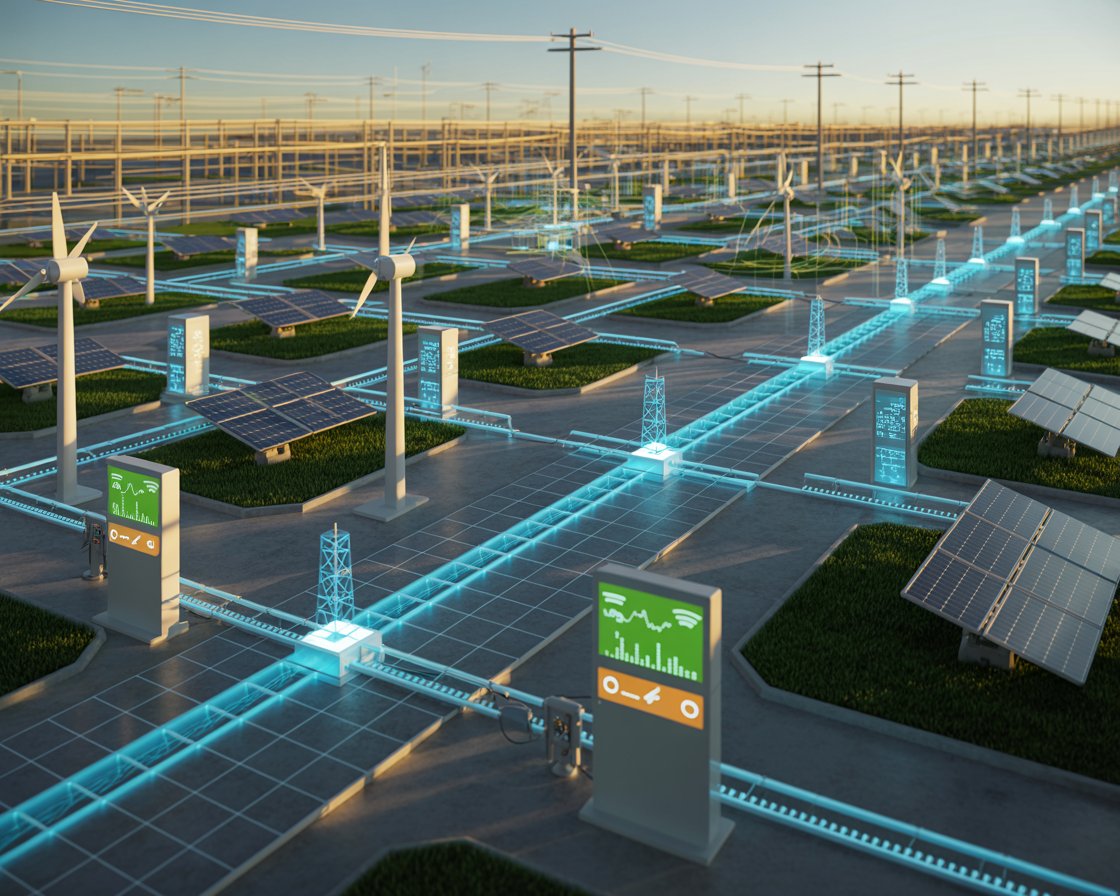
Smart grids are integral to the successful deployment of renewable energy in urban areas. These intelligent electrical grids:
- Facilitate two-way communication between energy producers and consumers.
- Optimize energy distribution by dynamically managing supply and demand.
- Reduce energy loss during transmission.
For example, incorporating solar panels into residential buildings allows surplus energy to be sent back to the grid, creating a balanced and efficient energy system.
2. Energy Storage Solutions
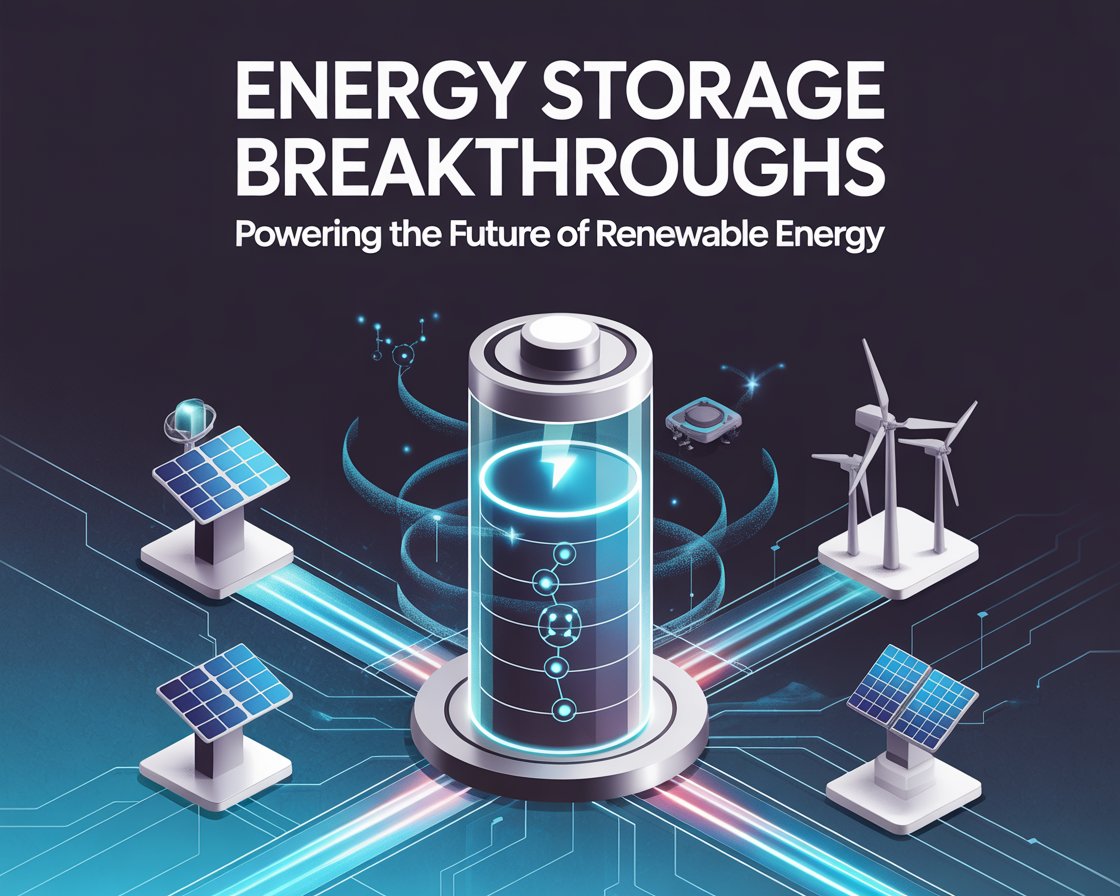
Energy storage systems, such as lithium-ion batteries and thermal storage, are vital for overcoming the intermittency of renewable energy sources. By storing excess energy during peak production times, smart cities can:
- Ensure a consistent energy supply.
- Reduce reliance on fossil fuels during high-demand periods.
Advancements in energy storage technology are making large-scale integration of renewables more viable than ever.
3. IoT and AI in Energy Management
Smart devices and AI algorithms are enhancing the efficiency of renewable energy integration. These technologies:
- Monitor real-time energy consumption.
- Predict energy demands.
- Automate energy distribution to minimize waste.
For instance, smart meters in homes and businesses provide insights into energy usage patterns, helping consumers and city planners optimize energy efficiency.
4. Electric Vehicles (EVs) and Charging Infrastructure
Smart cities are embracing electric mobility to reduce greenhouse gas emissions. Renewable energy powers EV charging stations, creating a closed-loop sustainable system. Furthermore:
- Vehicle-to-grid (V2G) technology allows EVs to feed stored energy back into the grid during shortages.
- Integration with public transportation systems enhances urban mobility while reducing environmental impact.
5. Building Integrated Photovoltaics (BIPV)
BIPV systems incorporate solar panels directly into the architecture of buildings, transforming structures into energy generators. This approach is gaining traction in smart cities, where:
- Buildings double as energy producers.
- Architectural aesthetics and sustainability converge.
Challenges in the Integration of Renewable Energy into Smart Cities
- Initial Investment Costs The deployment of smart grids, energy storage systems, and renewable energy infrastructure requires significant upfront investment.
- Regulatory Barriers Varying regulations across regions can slow down the adoption of renewable energy technologies.
- Intermittency Issues Solar and wind energy depend on weather conditions, necessitating reliable energy storage and management systems.
- Public Awareness and Acceptance Educating citizens about the benefits and functionality of smart city technologies is essential for widespread adoption.
FAQ
Why is the integration of renewable energy essential for smart cities?
Renewable energy reduces carbon emissions, ensures energy security, and supports the sustainable growth of urban areas.
How do smart grids support renewable energy integration?
Smart grids enable efficient energy distribution, reduce energy loss, and facilitate the integration of decentralized renewable energy sources.
What role does AI play in managing renewable energy in smart cities?
AI optimizes energy consumption, predicts demand, and automates energy distribution, enhancing overall efficiency.
What challenges do cities face in integrating renewable energy?
High initial costs, regulatory hurdles, and the intermittency of renewable energy sources are common challenges.
Are there examples of successful renewable energy integration in smart cities?
Yes, cities like Copenhagen, Singapore, and Barcelona are leading examples of renewable energy integration, utilizing smart grids, EV infrastructure, and BIPV systems effectively.

Leave a Reply