

What Are Next-Generation Renewable Energy Solutions?
Next-generation renewable energy solutions refer to the latest advancements in technology aimed at optimizing energy production, storage, and distribution. Unlike traditional methods, these solutions focus on scalability, efficiency, and reduced environmental impact.
Next-generation renewable energy solutions are reshaping the energy sector, offering a brighter and cleaner future. While challenges remain, the rapid pace of innovation and global collaboration promises a sustainable tomorrow.
Contents
Why Are Next-Generation Renewable Energy Solutions Important?
Environmental Impact
The introduction of these new technologies plays a crucial role in lowering carbon emissions and decreasing the global dependence on fossil fuels. By promoting cleaner, more sustainable energy alternatives and improving energy efficiency, they significantly contribute to mitigating climate change.
These advancements not only help reduce environmental degradation but also support long-term ecological balance, paving the way for a healthier and more resilient planet.
The new technologies help reduce carbon emissions and reliance on fossil fuels, making a significant contribution to mitigating climate change.
Addressing Energy Demand
As the world’s population continues to rise, the demand for reliable and sustainable energy sources is increasing at an unprecedented rate. These emerging innovations play a vital role in bridging the widening gap between energy demand and supply. By enhancing energy generation, improving storage capabilities, and promoting efficient consumption, they ensure that the global energy needs are met without compromising environmental integrity or economic stability.
Emerging Technologies in Renewable Energy
Advanced Solar Power Innovations
Solar technology has undergone dramatic upgrades:
- Perovskite Solar Cells: These promise higher efficiency at a lower cost than traditional silicon cells.
- Bifacial Solar Panels: Panels that absorb sunlight on both sides, increasing energy yield.
Wind Energy Advancements
Wind energy isn’t far behind in innovation:
- Floating Wind Turbines: Perfect for deep waters where traditional turbines aren’t feasible.
- High-Altitude Wind Systems: Utilizing stronger winds at higher altitudes for more consistent energy production.
Breakthroughs in Energy Storage
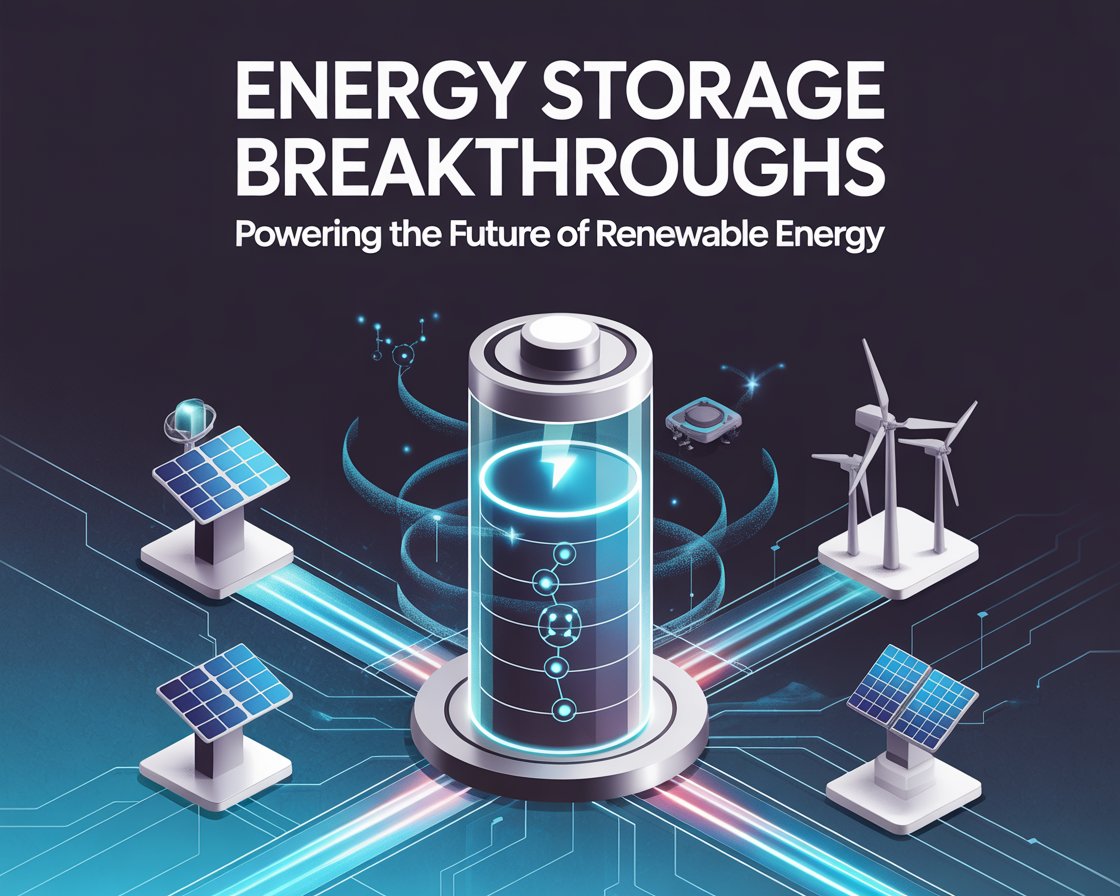
Efficient storage is key to maximizing renewable energy use:
- Solid-State Batteries: A safer, longer-lasting alternative to lithium-ion batteries.
- Gravity-Based Storage Systems: Using gravitational potential energy for storing excess electricity.
Role of Artificial Intelligence in Renewable Energy
AI is revolutionizing energy by optimizing grid management, predicting energy demand, and enhancing the efficiency of renewable systems.
Decentralized Energy Grids
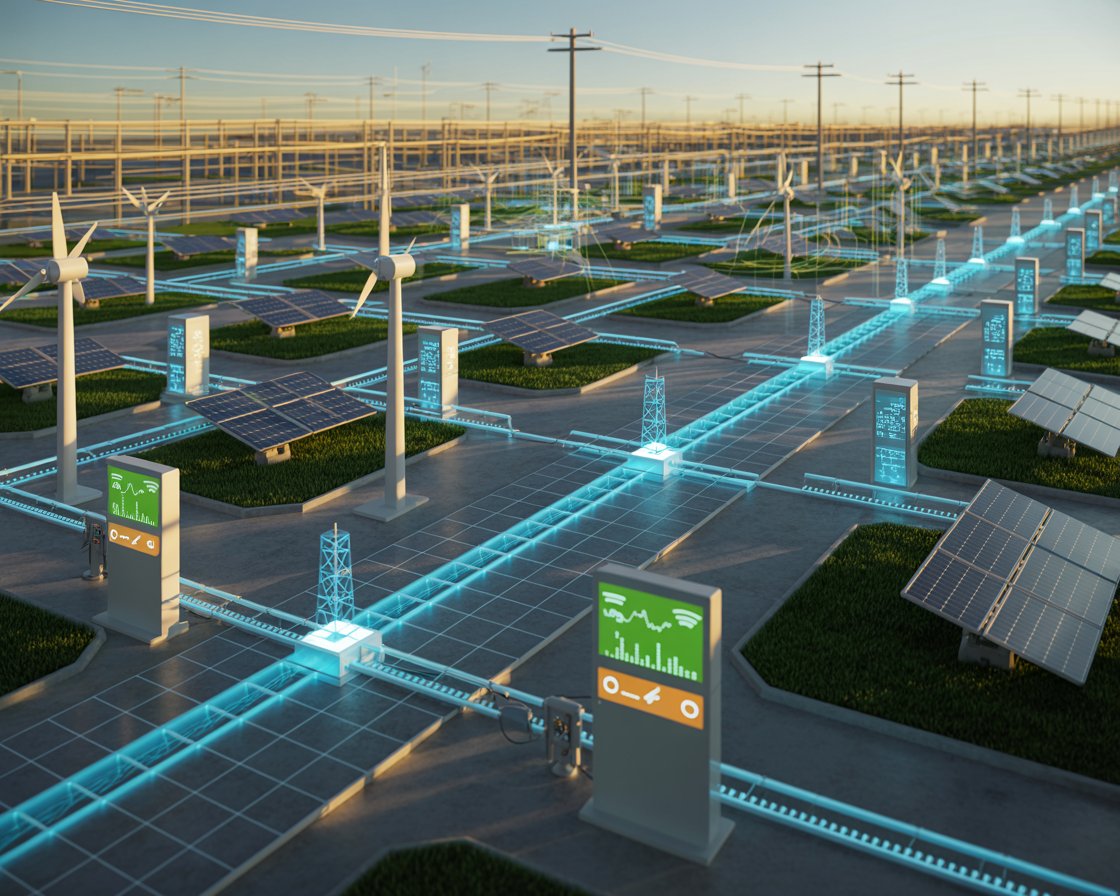
Decentralized grids allow individuals and businesses to generate and share energy locally, reducing dependence on large power plants.
Hydrogen Power: The Game Changer
Green hydrogen, produced using renewable energy, offers a versatile and clean energy solution for transportation, industry, and heating.
Challenges Facing Next-Generation Renewable Energy Solutions
Economic Barriers
High upfront costs of these technologies can deter widespread adoption.
Technical Limitations
Issues like energy storage and infrastructure compatibility need to be addressed.
Global Adoption and Policy Support
Governments worldwide are enacting policies and incentives to promote these technologies, making them more accessible and economically viable.
Industries Leading the Charge
The automotive, construction, and technology sectors are pioneering the adoption of next-generation renewable energy solutions.
The Future of Renewable Energy
As advancements continue, these solutions will become more efficient, affordable, and integral to our daily lives. The shift toward a sustainable energy future is inevitable, driven by innovation and global cooperation.
FAQ
What are some examples of next-generation renewable energy solutions?
Examples include perovskite solar cells, floating wind turbines, and green hydrogen production.
How does artificial intelligence contribute to renewable energy?
AI optimizes energy distribution, predicts demand, and enhances system efficiency.
What are the main challenges of implementing these solutions?
High costs and technical barriers, such as energy storage, are the main challenges.
Which industries benefit most from these innovations?
Industries like automotive, construction, and technology are seeing the greatest benefits.
What role does hydrogen play in renewable energy?
Hydrogen serves as a clean energy carrier, useful in transportation, industry, and power generation


Leave a Reply