
Introduction
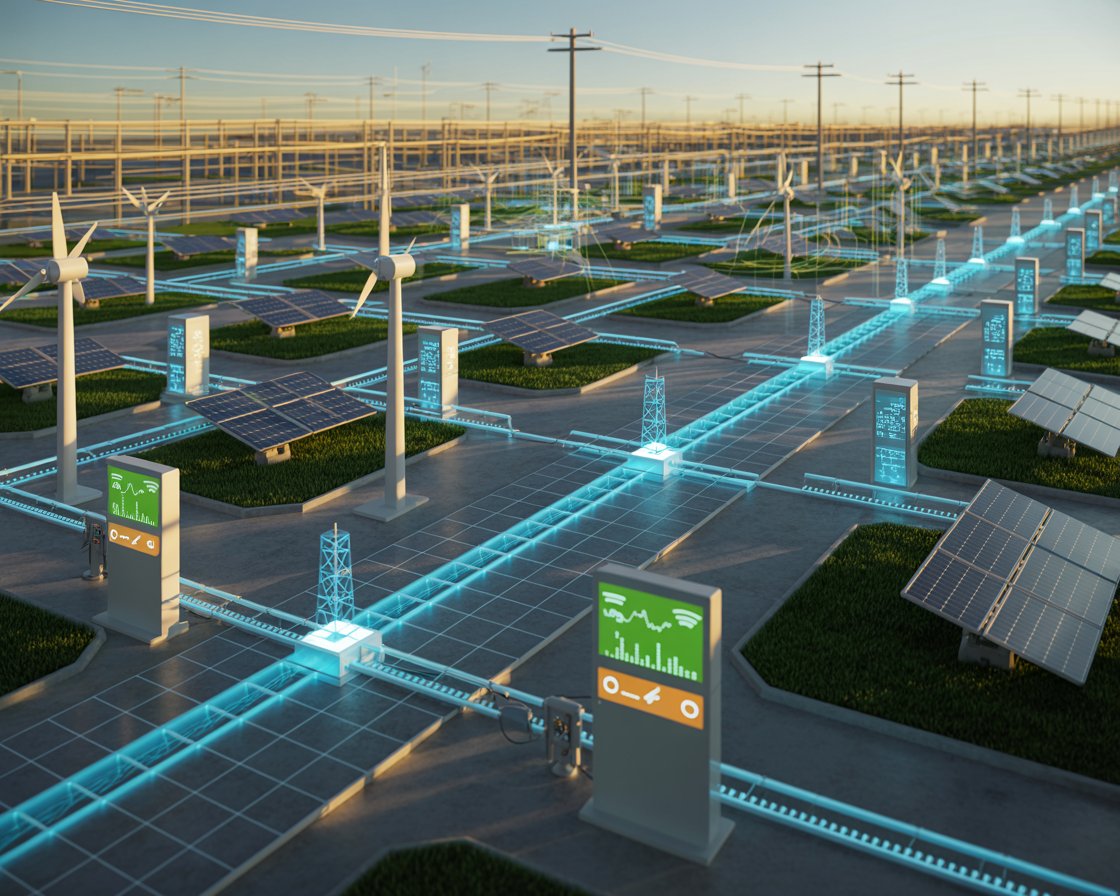
The world is rapidly advancing toward smarter, more sustainable energy solutions, and at the heart of this transformation are smart grid technologies. These cutting-edge systems integrate modern communication and automation into the traditional grid, creating an efficient and intelligent energy network.
With the global push toward renewable energy and the growing demand for better energy efficiency, advanced grid systems are becoming increasingly important. These innovations are transforming the energy sector by improving reliability, optimizing performance, and supporting sustainable power delivery.
As cleaner energy sources gain wider adoption, intelligent grid solutions will play a vital role in shaping the future of energy distribution worldwide.
Why Are Smart Grid Systems Important?
Enhancing Efficiency
Traditional grids often suffer from inefficiencies like energy loss during transmission. Smart grid systems optimize energy flow, ensuring minimal wastage.
Supporting Renewable Energy
Smart grids seamlessly integrate renewable energy sources, such as solar and wind, into the energy mix, supporting a greener and more sustainable future.
Key Features of Smart Grid Systems
Advanced Metering Infrastructure (AMI)
AMI involves smart meters that collect and transmit real-time energy consumption data:
- Real-Time Data Collection: This enables consumers and utilities to monitor and optimize energy usage.
Automated Distribution Systems
Automation is a hallmark of smart grids:
- Self-Healing Capabilities: These systems detect and repair faults automatically, reducing downtime.
Demand Response Systems
Demand response ensures a balance between energy supply and demand:
- Dynamic Load Management: Utilities can adjust energy distribution based on real-time demand, preventing overloads.
The Role of Internet of Things (IoT) in Smart Grid Systems
The Internet of Things (IoT) plays a pivotal role in enabling the effective operation of smart grid systems by connecting physical devices to digital networks. Through the use of IoT-enabled sensors, smart meters, and intelligent appliances, large volumes of data are continuously collected from different points across the power network.
This data is transmitted in real time to utility operators, allowing them to monitor energy generation, transmission, and consumption with greater accuracy.
By creating an interconnected and data-driven energy network, IoT technology improves the grid’s ability to respond quickly to changes in demand or potential faults. Utilities can detect power outages, equipment failures, or energy losses early and take corrective actions before major disruptions occur.
In addition, consumers benefit from better visibility into their energy usage, enabling more informed decisions that promote energy efficiency and cost savings.
Overall, the integration of IoT into power systems enhances operational efficiency, strengthens grid reliability, supports the integration of renewable energy sources, and contributes to a more sustainable and intelligent electricity infrastructure.
Benefits of Smart Grid Technologies
Energy Efficiency
Smart grids optimize energy distribution, reducing transmission losses and improving overall efficiency.
Cost Savings
Consumers benefit from lower energy bills through better energy management, while utilities save on operational costs.
Environmental Impact
By integrating renewable energy and reducing wastage, smart grids significantly lower greenhouse gas emissions.
Challenges in Implementing Smart Grid Technologies
Cybersecurity Risks
The reliance on digital communication makes smart grids vulnerable to cyberattacks. Robust security measures are essential.
High Initial Costs
The installation of smart grid infrastructure requires significant investment, which can deter widespread adoption.
Global Trends and Adoption of Smart Grid Technologies
Countries worldwide are embracing smart grid systems to modernize their energy systems. Policies promoting renewable energy and smart grids are accelerating adoption, particularly in regions like North America, Europe, and Asia.
The Future of Smart Grid Technologies
The future of smart grid systems is highly promising, driven by innovations such as AI-powered predictive maintenance, blockchain-enabled secure energy transactions, and advanced energy storage integration. Together, these developments will significantly improve grid reliability, enhance efficiency, and support a more resilient and sustainable energy infrastructure.
FAQ
What are Smart Grid Technologies?
They are advanced systems that use digital communication and automation to improve energy distribution and management.
Why are smart grid technologies important?
They enhance energy efficiency, support renewable energy, and create a more reliable energy grid.
They enhance energy efficiency, support renewable energy, and create a more reliable energy grid.
Features include advanced metering infrastructure, automated distribution systems, and demand response capabilities.
What role does IoT play in smart grid technologies?
IoT devices enable real-time data collection and communication, improving the grid’s efficiency and responsiveness.
What are the challenges of implementing smart grid technologies?
Major challenges include cybersecurity risks and high initial costs.


Leave a Reply